Why I Said Yes to Behind-the-Scenes Work — And Why It Made Me a Better Filmmaker
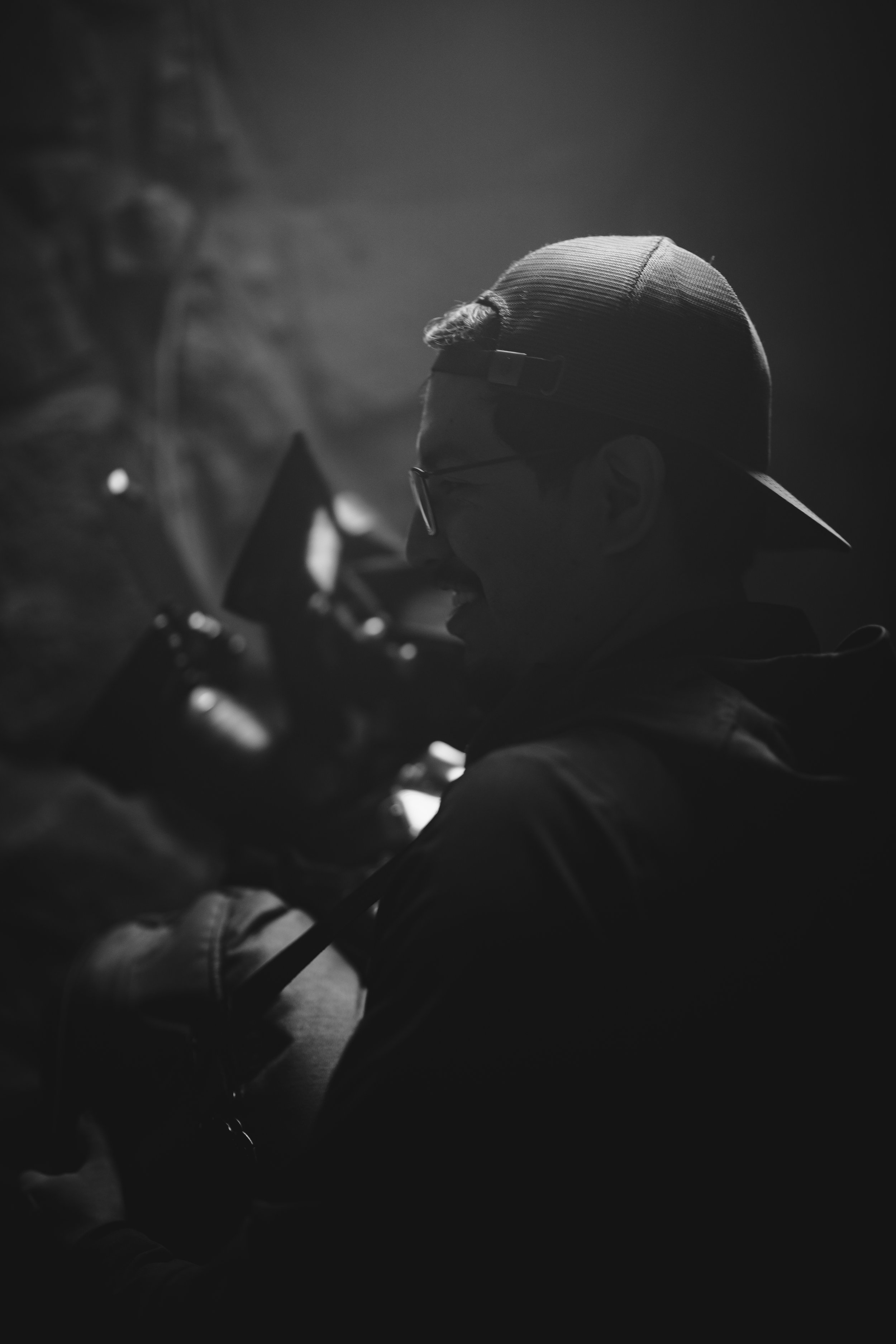
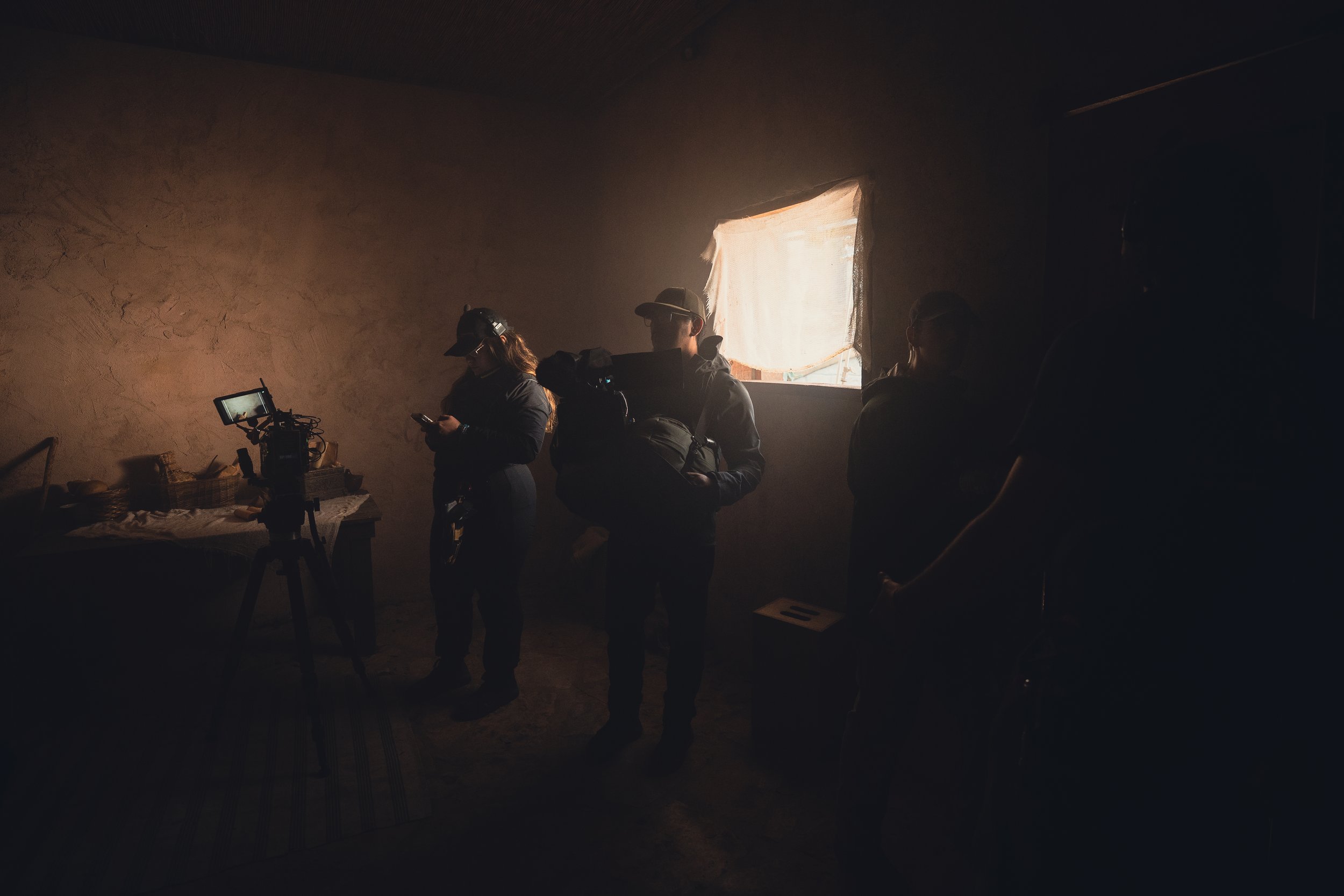
When the opportunity came to serve as the behind-the-scenes videographer on an indie feature film, I didn't hesitate. It wasn't my film. I wasn't directing. I wasn't behind the main camera calling the shots. And honestly? That was exactly the point.
BTS work occupies a unique and often underestimated space in this industry. You're not the star of the show. You're the one capturing the show behind the show. And doing that well requires every bit as much craft, intentionality, and storytelling instinct as anything else I do as a Director and DP.
At Ynot Tony Media, everything I do is story-first. That's not just a tagline — it's how I approach every project, every client, every frame. And this BTS opportunity reminded me why that mindset has to be practiced constantly, not just preached.
Here's what I walked away with — and why I'd do it again without question.
BTS Is Its Own Form of Storytelling
Before this project, I understood BTS work conceptually. After it, I understood it viscerally.
When you're embedded in a live film production, you have to tell two stories simultaneously: the story of what's being made, and the story of the people making it. You're capturing tension before a take, laughter between setups, a director deep in thought at a monitor, a crew member problem-solving in real time. None of it is scripted. None of it waits for you.
That pressure sharpened me. It forced me to think faster, frame instinctively, and find the emotional truth of a moment without having the luxury of setting it up. That kind of reactive, story-first thinking feeds directly back into my work as a Director and DP — because great storytelling, at its core, is about being present enough to recognize a moment and skilled enough to capture it.
What I Genuinely Loved About It
I'll be direct: I loved not being in charge.
As a Director, I'm constantly making decisions that affect everyone around me. On this project, I got to step into a different role — an observer, a documentarian, a collaborator. I got to watch other creative minds work, study how a different director moved through a set, see how another DP approached coverage and light. That kind of peer-level observation is rare, and it's invaluable.
There's also something freeing about being the person with the camera who doesn't have to worry about the script, the schedule, or the next setup. Your only job is to find the story happening around you and bring it to life. For someone who usually carries the weight of an entire production, that freedom was genuinely refreshing.
The Documentary DP Connection
Here's something I don't think gets said enough: BTS work and documentary work require the exact same muscle.
Documentary filmmaking is one of my great loves, and it's built on a skill that can't be faked — the ability to read the room, anticipate the moment, and capture a story as it unfolds in front of you. There's no script. There's no second take. The story is happening whether you're ready or not, and your job is to follow it without missing a beat.
BTS work on a film set is that same discipline, applied to a different environment. You're embedded in a production that has its own rhythm, its own pressure, its own unexpected moments. You learn to stay invisible while staying alert. You develop the instinct to know where to point the camera before the moment peaks. You get better at trusting your eye over your plan.
That's a skill you have to keep sharpening. You can't let it go dormant. And every project that puts me in that reactive, present, story-first headspace — whether it's a BTS package or a documentary shoot — makes me faster and sharper the next time. Because in documentary work, you don't get a warning when the most important moment of the film is about to happen. You just have to be ready.
The Network Effect Is Real
Let's talk about something the industry doesn't always say out loud: your network is your career.
Every person I met on that set — from the director and producers to the PA who kept things running — is now someone I have a real, organic connection with. Not a LinkedIn request into the void. A relationship built on shared hours, shared stress, and shared creative energy.
That's how jobs come. Not always from a cold pitch or a follower on social media, but from someone who watched you work and thought, I want that person on my next project. Or from someone who refers you because they saw firsthand what you bring to a set.
BTS work puts you in the room. And being in the room — doing good work, being easy to work with, being present and professional — is one of the most powerful things you can do for your career.
Why This Kind of Work Makes Me Better at Everything Else
There's a version of a creative career where you only do one thing, over and over, until you're very good at it. I respect that path. But it's not mine.
I believe in being well-rounded — not in a "jack of all trades, master of none" way, but in a way where every type of work I take on makes me sharper at everything else. BTS work does exactly that. It hones my eye. It keeps me agile. It reminds me what it feels like to be on set without all the authority and pressure, which makes me more empathetic and effective when I do have that authority.
It also keeps me hungry. When you're around a passionate indie crew giving everything to bring a story to life on a limited budget, you remember why you got into this in the first place. That energy is contagious — and I want to carry it into every project I touch.
The Takeaway
If you're a filmmaker, photographer, or creative who gets the chance to do BTS work on someone else's project — take it. You'll sharpen skills you didn't know were dull. You'll meet people who will change the trajectory of your career. And you'll walk away with a renewed appreciation for the craft, from a perspective you can't get any other way.
For me, this wasn't a step sideways. It was a step forward — just in a direction I hadn't planned on. And those are often the best ones.
Tony Gonzales is the founder and CEO of Ynot Tony Media LLC, a story-first video production company based in Dallas-Fort Worth, Texas. He works as a Director and Director of Photography across narrative, documentary, and branded content. Learn more at ynottonymedia.com.